
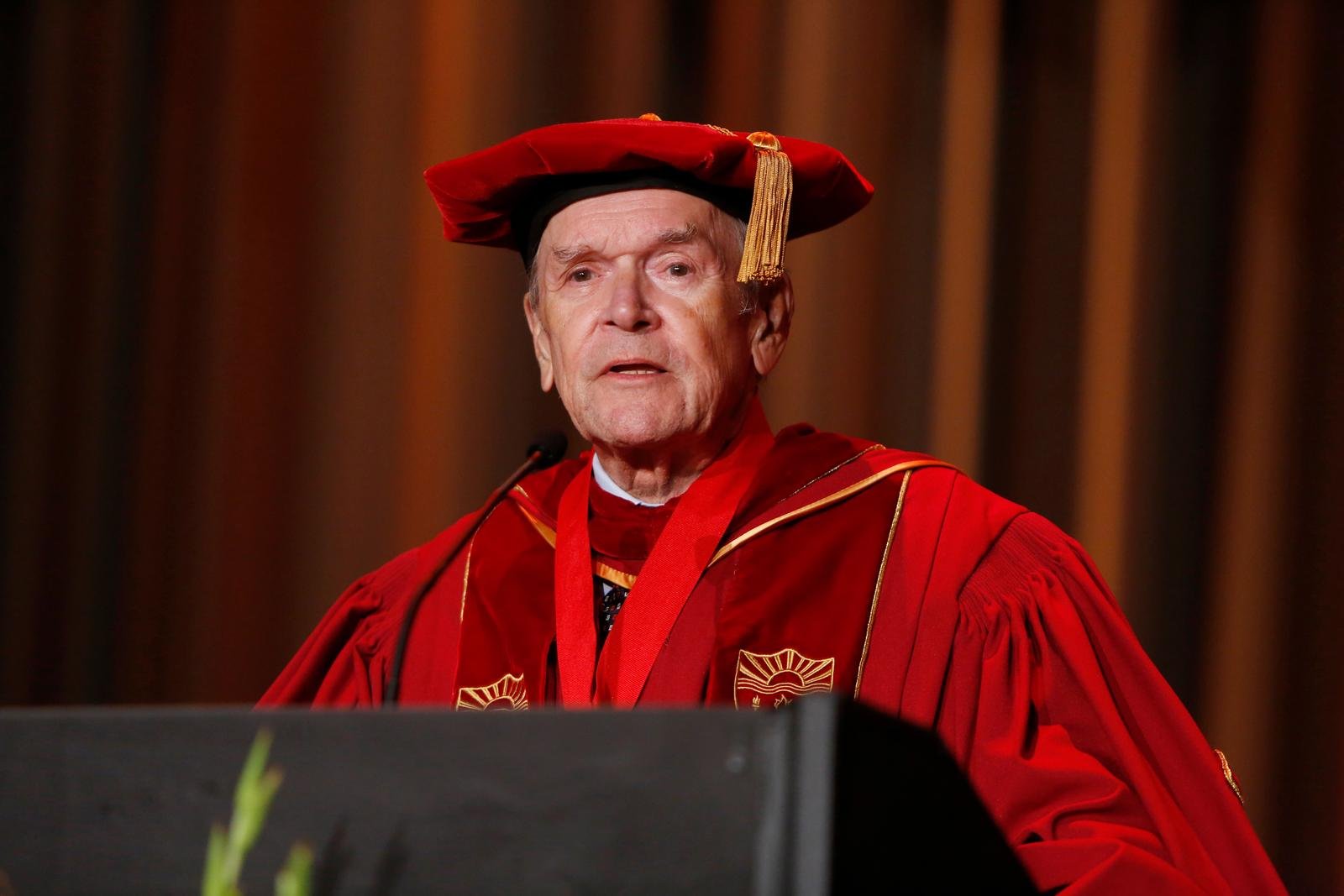
Remembering Frank Price
The Founding Chairman of the SCA Board of Councilors was a steady representative of the School’s support system
Frank Price was a visionary leader whose legendary career as a writer, producer and studio executive exemplifies the power of cinema to impact our culture and societal institutions. He led two iconic movie studios—as Chairman and CEO of Columbia Pictures and President of Universal Pictures. Significantly, he greenlit projects that were both entertaining and had something important to say, especially about society’s entrenched inequities.
His legacy extends to the School of Cinematic Arts, where he formed and chaired the Board of Councilors for almost thirty years. He was also a USC Life Trustee, contributing to the wellbeing of entirety of the Trojan family. He and his wife Katherine established an Endowed Chair in Race and Popular Culture at SCA, amplifying work that addresses complex questions of identity and representation.
Price became acquainted with SCA when he let a young graduate of the School direct his own script about life in his South Los Angeles neighborhood. That decision gave the world Boyz N The Hood, and made John Singleton the first African American and youngest person to be nominated for an Academy Award for Best Director.
Price first found success as a young television writer, then moved to the C-suite to oversee hit series including The Virginian, Ironside, Battlestar Galactica, The Six Million Dollar Man and Bionic Woman. He established a new form of entertainment in 1966 with The Doomsday Flight, the first feature that was specifically made for the smaller television screen. Another milestone project, titled Rich Man, Poor Man, helped establish the miniseries as a television mainstay.
Price then leveraged his reputation as a hitmaker to champion groundbreaking television films like A Case of Rape, a 1974 ratings sensation that influenced the creation of laws to protect rape victims; That Certain Summer, Network TV’s first positive depiction of a married gay couple; Farewell to Manzanar, about the shameful internment of Japanese Americans during World War II; and The Tuskegee Airmen, about the famed Black pilots.
He was equally visionary when he became a studio executive, with credits including Back to the Future, Ghostbusters, Gandhi and The Karate Kid. He championed films that exposed gender inequality, including Kramer vs Kramer, A League of Their Own, Tootsie and Out of Africa, which won the Academy Award for Best Picture in 1985, and is one of more than twenty of his projects to win the Oscar.
Price was beloved at SCA and will be remembered for his long service to School. His constant presence at the School served as a sure and steady representation of the Board’s work on behalf of SCA’s students.
Here’s are some highlights of his service to the School of Cinematic Arts:
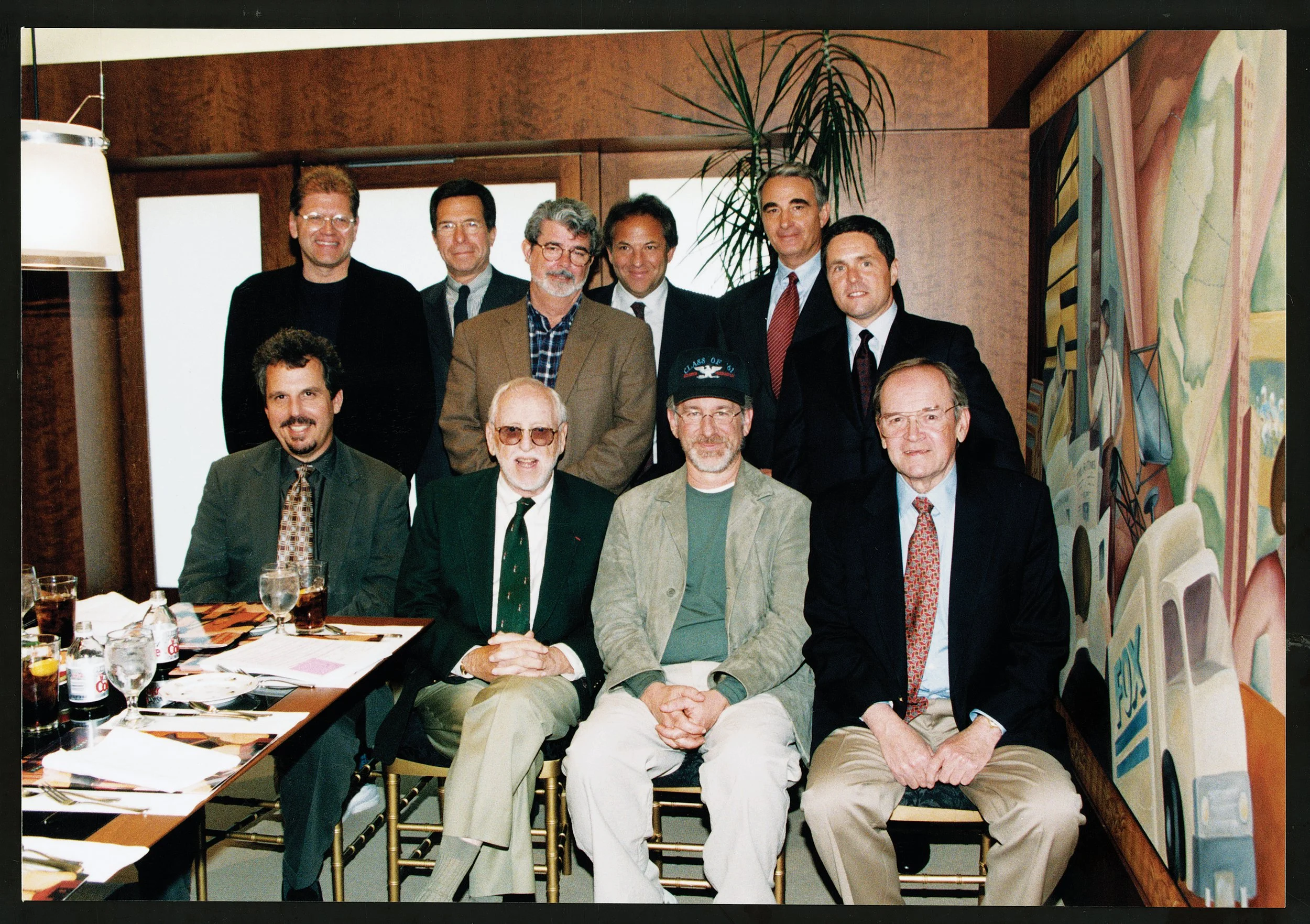
Price (seated far right) met with fellow members of the School of Cinematic Arts Board of Councilors at a meeting to discuss plans for the Robert Zemeckis Center for Digital Arts, which began construction in 1999. Seated L-R: Bill Mechanic, David L. Wolper and Steven Spielberg. Standing L-R: Robert Zemeckis, Paul Junger Witt, George Lucas, Jim Wiatt, Lee Gabler and Brad Grey
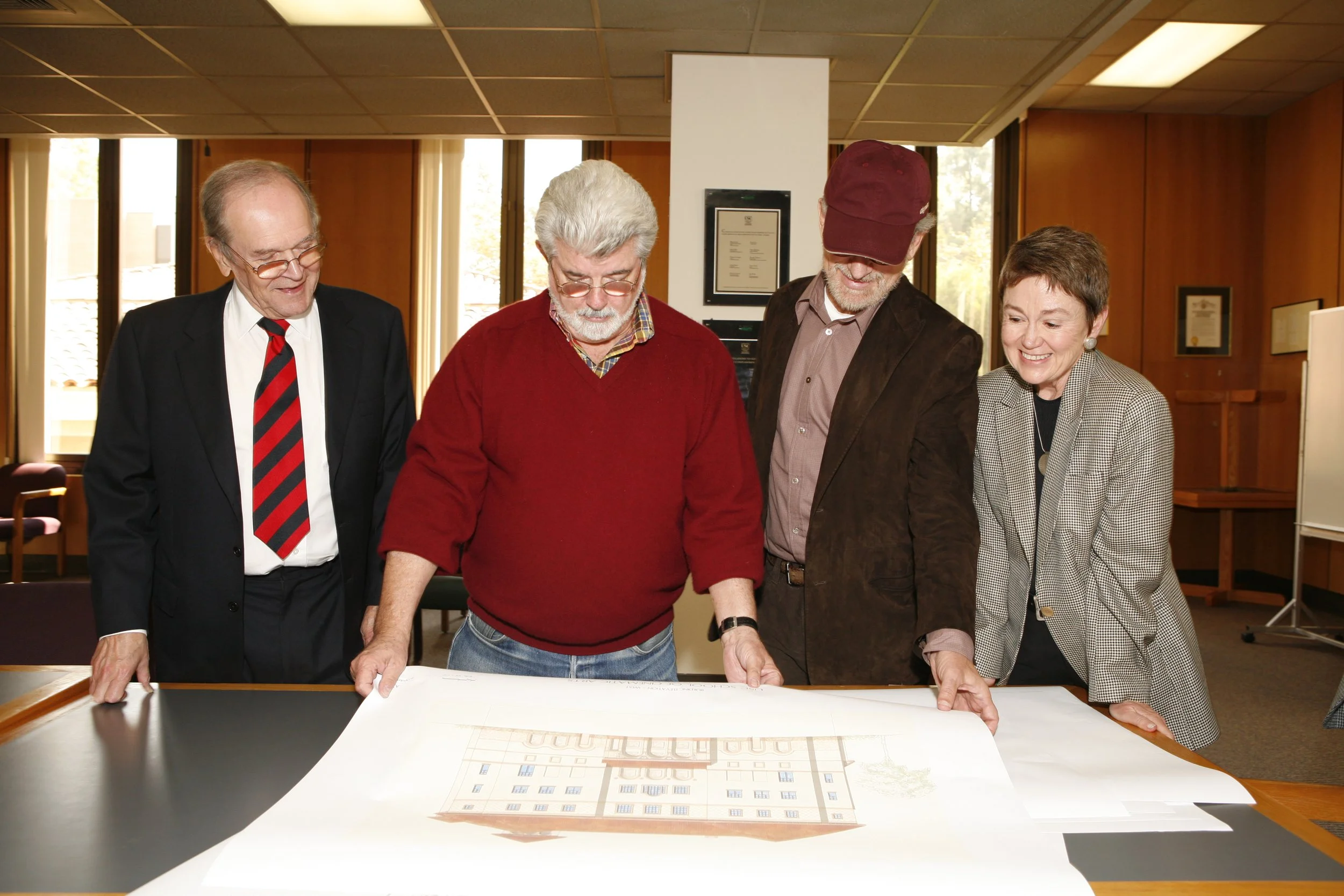
Price looks over plans for the new School of Cinematic Arts Complex with Dean Elizabeth Daley, George Lucas, and Steven Spielberg.

In October 2006, Price (far left) joined (l-r) George Lucas, Dean Elizabeth Daley, USC President Steven B. Sample, and Los Angeles City Council member Bernard Parks to celebrate the groundbreaking of the new Cinematic Arts Complex.
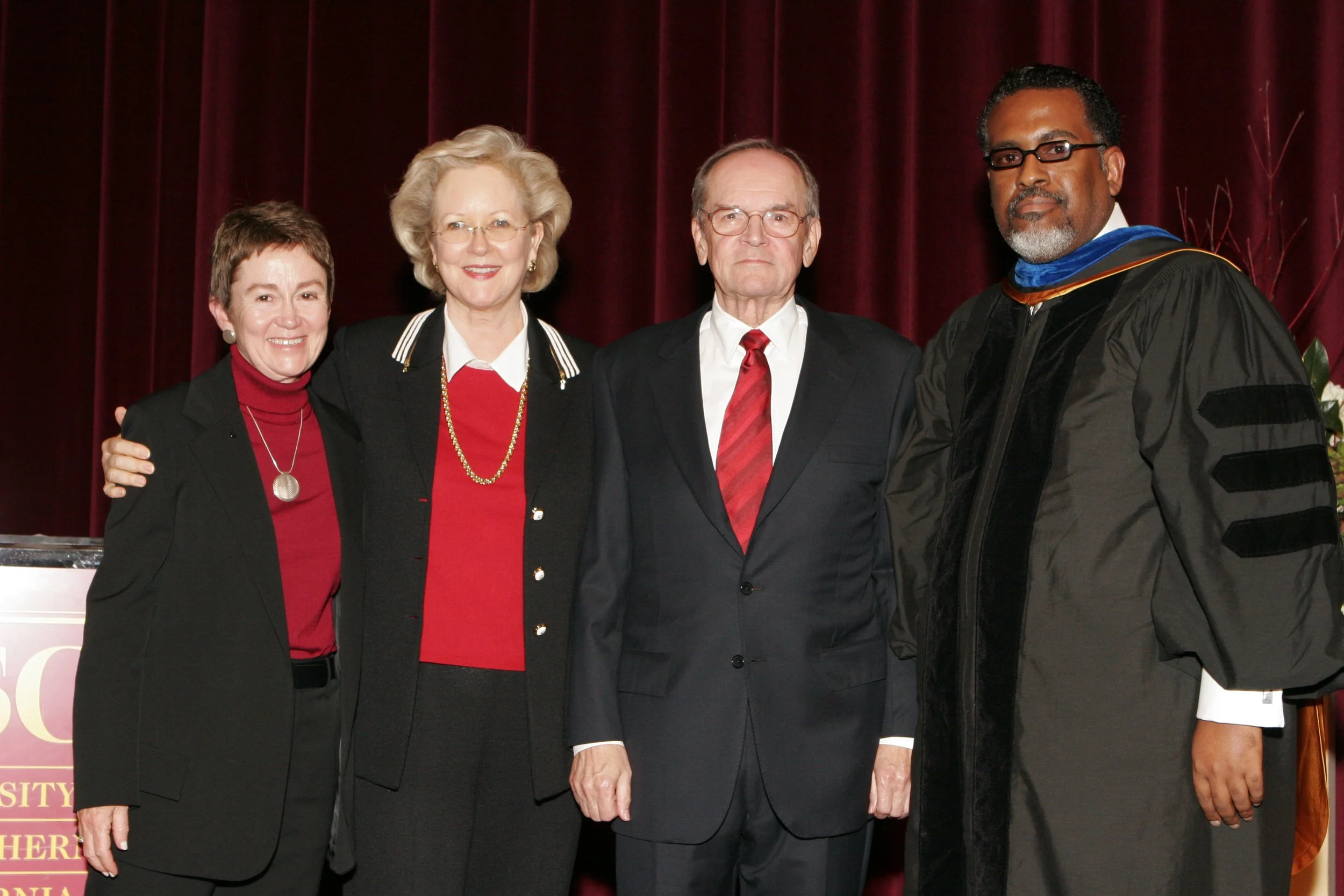
Price and his wife Katherine made a gift to SCA to establish the Katherine and Frank Price Endowed Chair for the Study of Race and Popular Culture. The chair holder, Dr. Todd Boyd, joined the Prices and Dean Daley at the dedication.
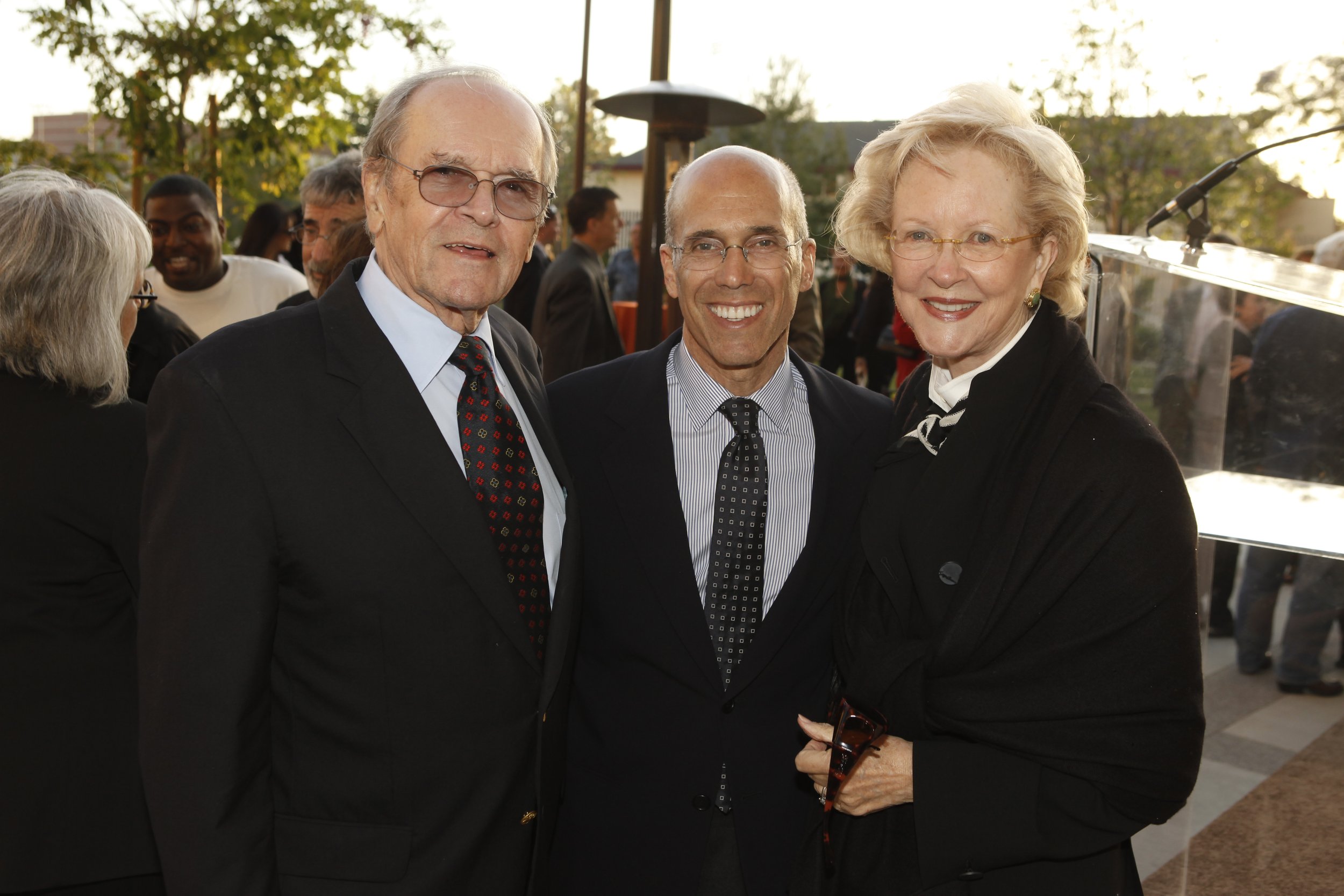
Frank and Katherine Price helped Jeffrey Katzenberg dedicate the Marilyn and Jeffrey Katzenberg Center for Animation at SCA in 2011.
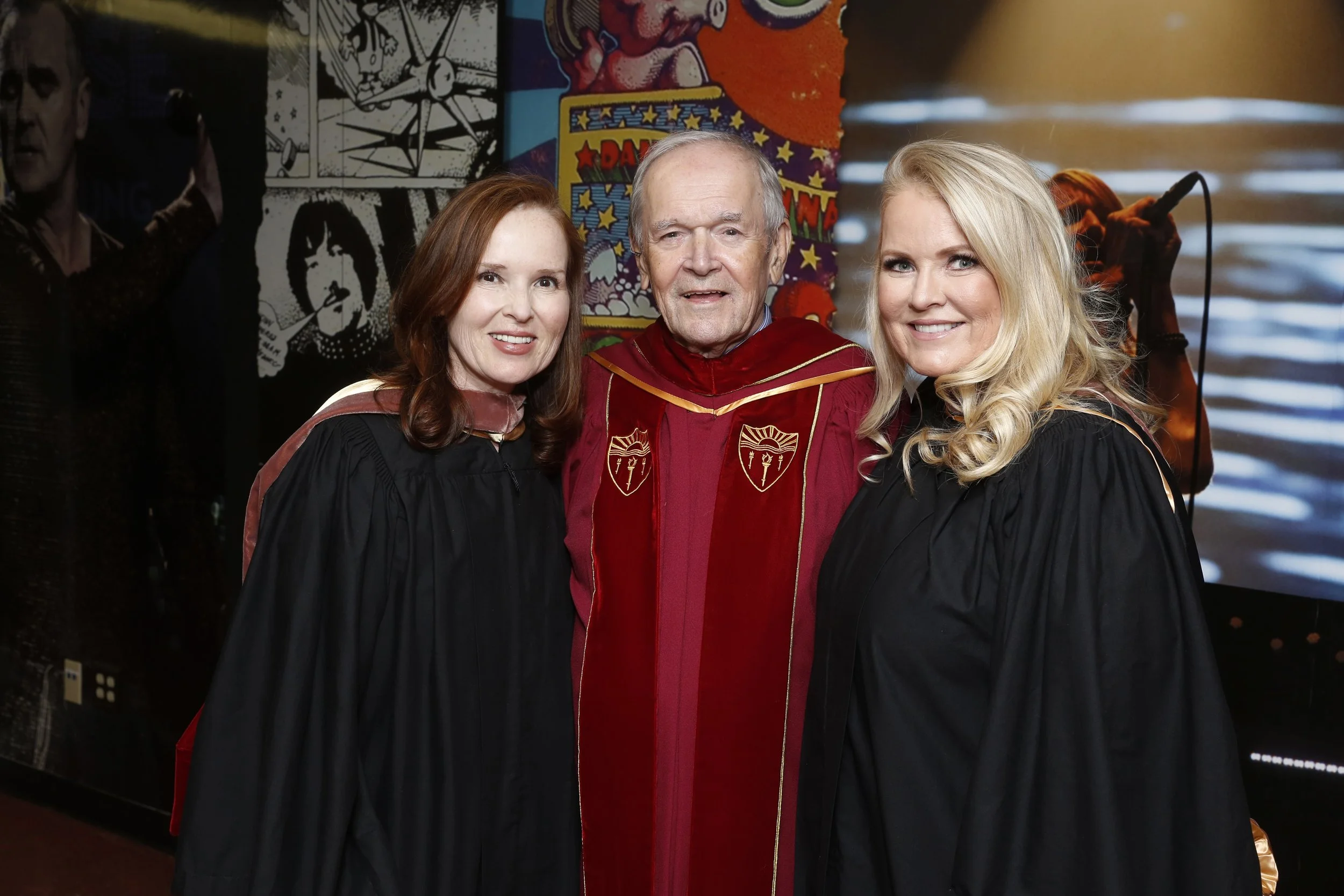
In 2017 Price congratulated producers (and sisters) Jennifer and Suzanne Todd as they both received the Mary Pickford Alumni Award for their achievements as filmmakers.
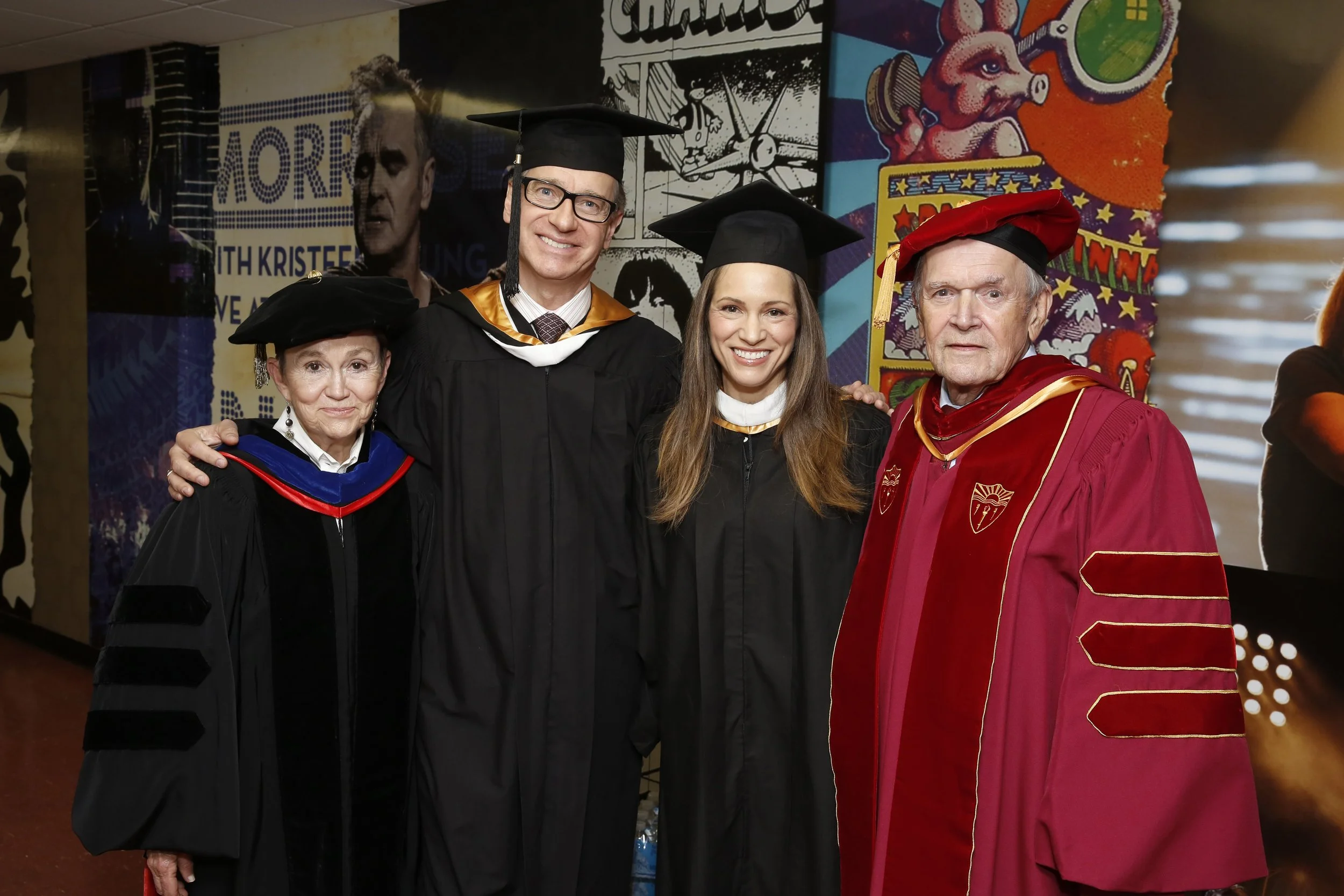
One of Price’s duties, which he thoroughly enjoyed was to represent the Board at graduation where he introduced the commencement speaker and congratulated the recipient of the Mary Pickford Alumni Award. Price, Dean Elizabeth Daley, and commencement speaker Paul Feig, with Pickford awardee Susan Downey in 2016.
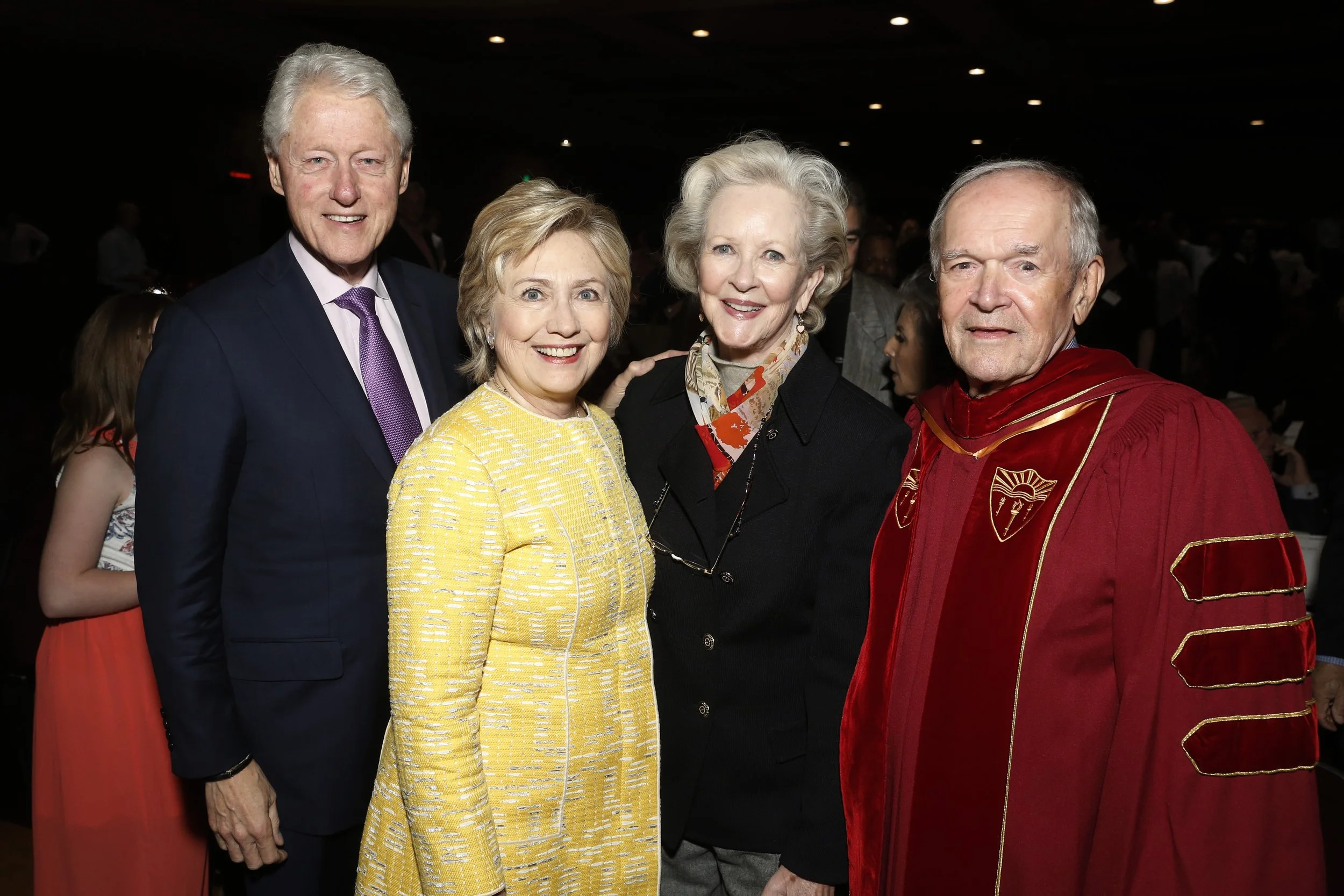
President Bill Clinton and Secretary of State Hillary Clinton were commencement guests in 2016 when they took this photo with Price and his wife Katherine.
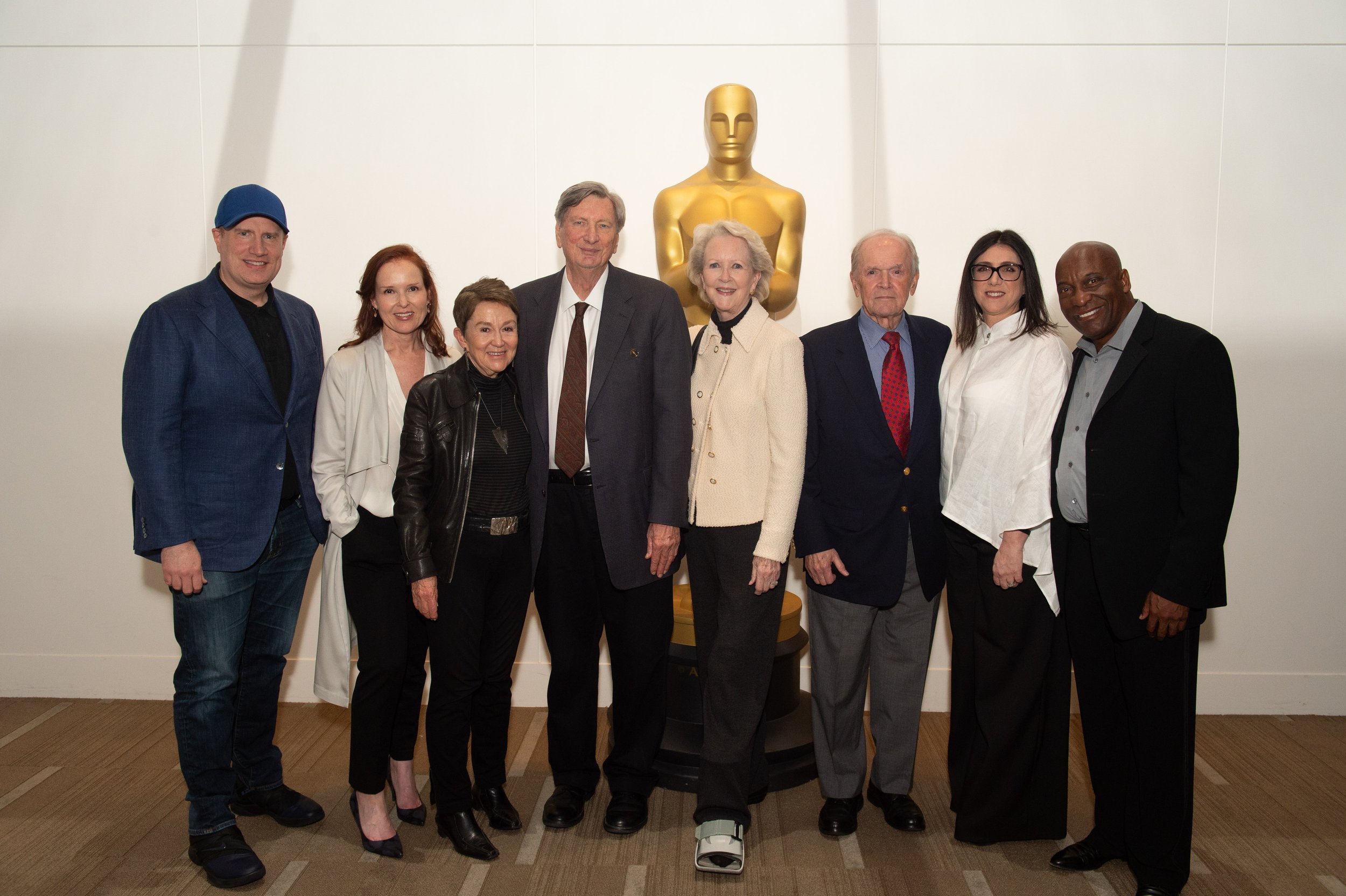
In 2019 the Academy of Motion Picture Arts and Sciences hosted a celebration marking SCA’s 90th Anniversary. Price, his wife Katherine and Dean Elizabeth Daley joined SCA alumni: (l-r) Marvel Studios President Kevin Feige, Producer Jennifer Todd, Academy President John Bailey, Producer Stacey Sher and Writer/Director John Singleton, at the event.
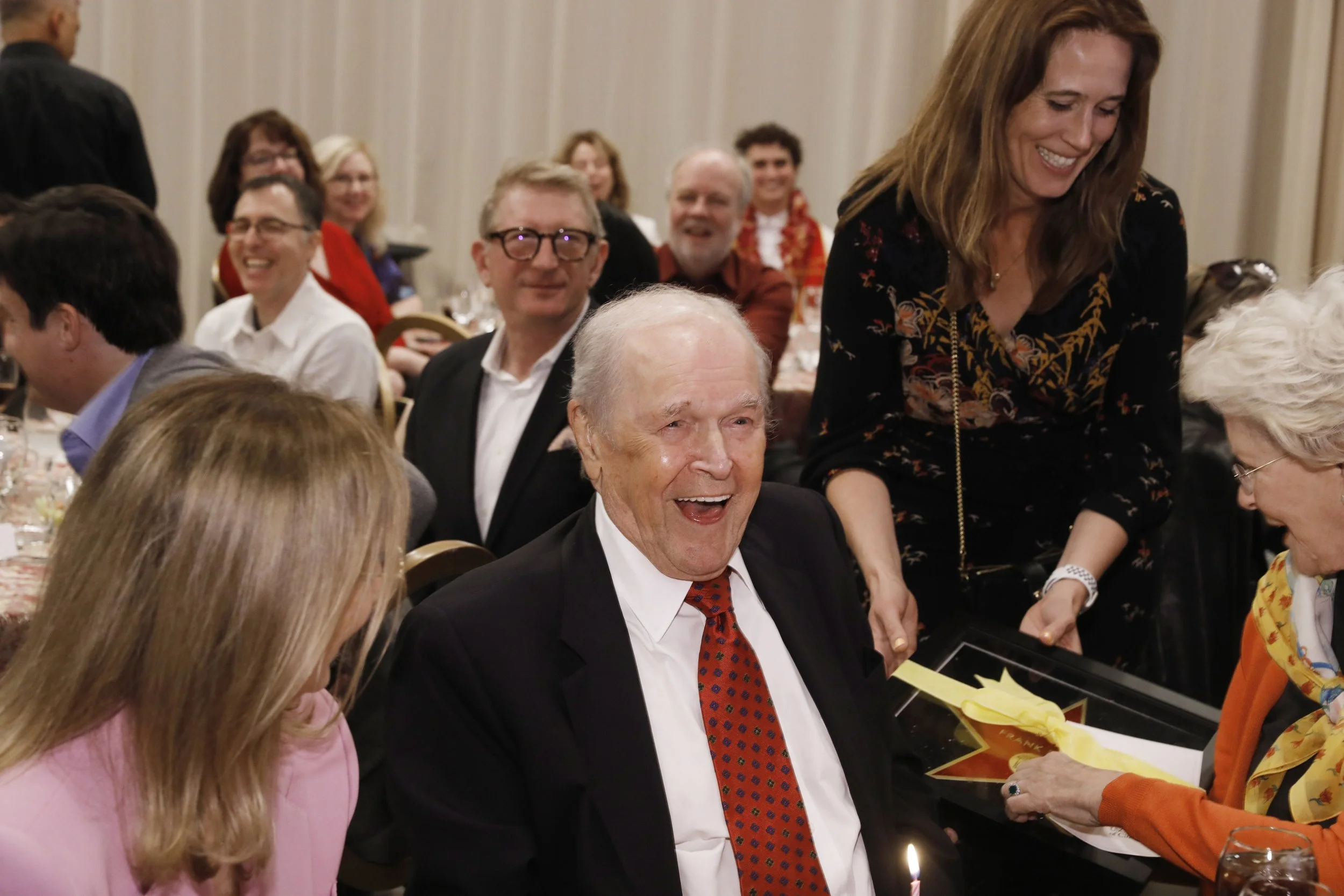
Although he retired from the Board of Councilors in 2021, Price made a joyful return to SCA for the Commencement Faculty Luncheon in May 2025, his last visit to the School before he passed away in August.